
Home
Luxury Home Living Redefined: Timeless Design, Smart Innovation, and Elite Comfort

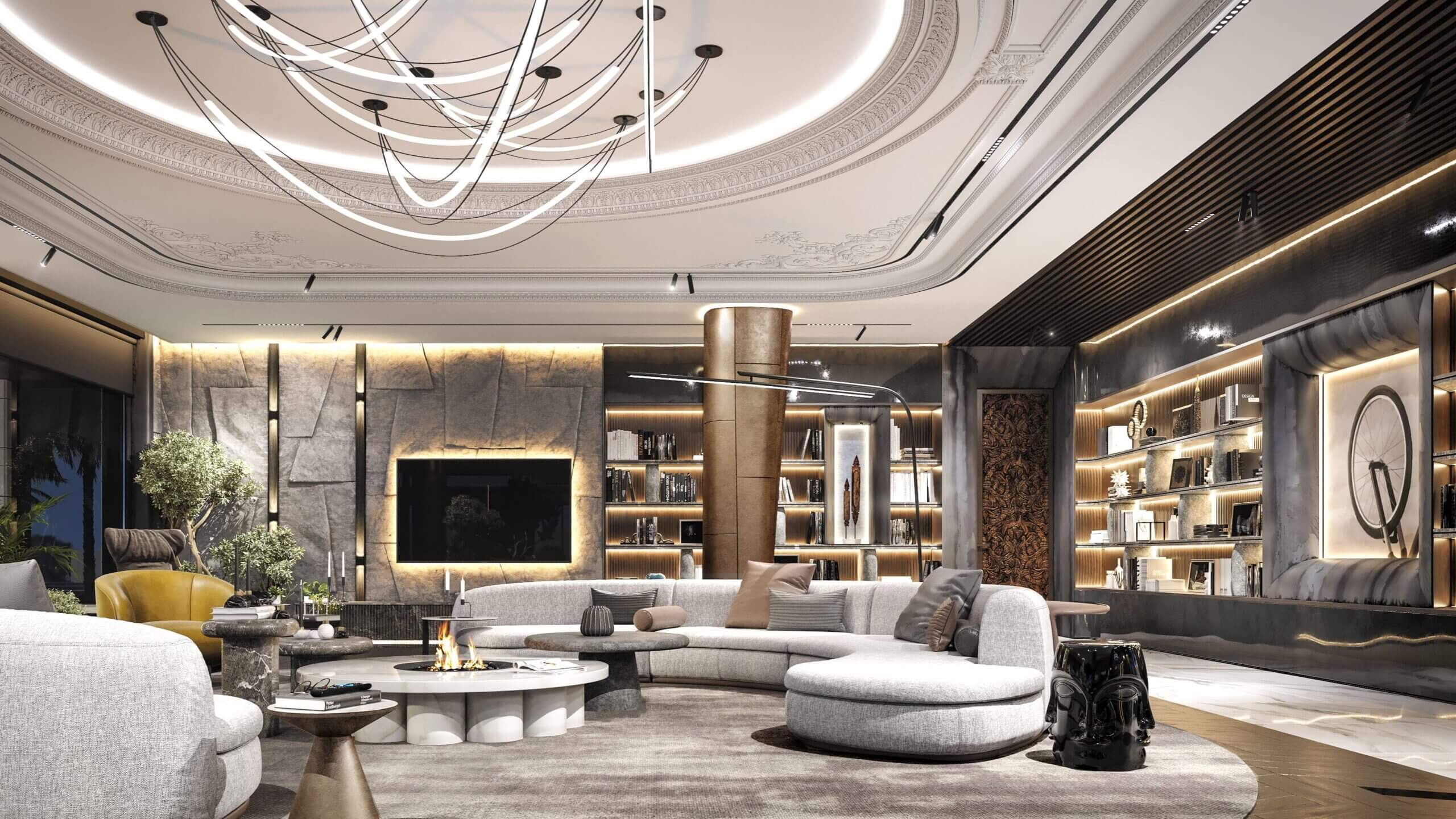
Introduction to the Modern Luxury Home
A luxury home is no longer defined solely by size or price. It represents a carefully curated lifestyle where architectural mastery, premium materials, intelligent technology, and personalized comfort converge. We recognize that today’s luxury homeowners demand more than visual grandeur; they seek functionality, sustainability, security, and exclusivity seamlessly integrated into every square foot. This comprehensive guide explores how the modern luxury home sets a new benchmark for refined living.
Architectural Mastery and Timeless Aesthetics
The foundation of every luxury home is architectural excellence. Distinguished residences balance timeless elegance with contemporary innovation, ensuring enduring value and visual impact.
Signature Design Elements
- Grand facades with bespoke stonework, glass walls, and custom metal detailing
- Expansive layouts featuring double-height ceilings and open spatial flow
- Indoor–outdoor harmony achieved through panoramic doors, terraces, and courtyards
Architects emphasize proportion, light, and symmetry, creating homes that feel both commanding and welcoming. Each design decision reflects craftsmanship intended to stand the test of time.
Premium Materials and Superior Craftsmanship
A defining characteristic of a luxury home is the uncompromising use of premium materials. From foundation to finish, quality is visible and tangible.
Materials That Define Prestige
- Natural stone such as marble, travertine, and granite
- Exotic hardwoods for flooring, staircases, and custom cabinetry
- Handcrafted finishes including artisanal plaster, bespoke millwork, and designer fixtures
We prioritize durability alongside beauty, ensuring that every surface ages gracefully while maintaining its original allure.
Intelligent Technology for Elevated Living
Technology has become central to the modern luxury home, enhancing convenience, efficiency, and security without intruding on aesthetics.
Smart Home Integration
- Centralized automation systems controlling lighting, climate, and entertainment
- Voice-activated and app-based controls for seamless daily operation
- Advanced energy management optimizing consumption and comfort
Intelligent systems adapt to lifestyle patterns, creating environments that respond intuitively to residents’ needs while preserving privacy and discretion.
Luxury Home Interiors: Comfort Meets Sophistication
Interior spaces define how luxury is experienced daily. A luxury home interior blends refined aesthetics with ergonomic comfort.
Living and Entertaining Spaces
- Formal living rooms designed for elegance and social gatherings
- Family lounges emphasizing warmth, acoustics, and relaxation
- Custom kitchens featuring professional-grade appliances and statement islands
Every room is designed with purpose, ensuring seamless transitions between entertainment, relaxation, and private moments.
Private Suites and Spa-Inspired Bathrooms
The private quarters of a luxury home are sanctuaries of tranquility. Bedrooms and bathrooms are crafted to rival five-star hospitality experiences.
Master Suite Excellence
- Oversized bedrooms with panoramic views and private terraces
- Walk-in dressing rooms with custom storage and lighting
- Spa-style bathrooms featuring soaking tubs, rain showers, and heated surfaces
These spaces promote wellness, rest, and rejuvenation, reinforcing the home as a personal retreat.
Outdoor Living and Resort-Style Amenities
True luxury extends beyond interior walls. A luxury home integrates outdoor environments that elevate leisure and entertainment.
Elite Outdoor Features
- Infinity pools and water features designed as visual centerpieces
- Outdoor kitchens and dining areas for year-round entertaining
- Landscaped gardens offering privacy, serenity, and aesthetic harmony
Outdoor spaces are planned as extensions of the home, ensuring comfort and elegance in every season.
Sustainability and Energy-Efficient Luxury
Modern luxury embraces responsibility. A forward-thinking luxury home incorporates sustainable practices without compromising comfort or style.
Eco-Conscious Innovations
- Solar integration and high-efficiency systems
- Advanced insulation and glazing for thermal performance
- Water conservation solutions including smart irrigation
Sustainability enhances long-term value while aligning luxury living with environmental stewardship.
Security, Privacy, and Peace of Mind
Discretion and safety are paramount in a luxury home. Comprehensive security solutions are integrated seamlessly into the property’s design.
Advanced Protection Systems
- Smart surveillance and access control
- Perimeter monitoring and secure entry points
- Private zoning to ensure confidentiality
Security features operate quietly in the background, allowing residents to enjoy peace of mind without intrusion.
Location, Lifestyle, and Long-Term Value
The value of a luxury home is deeply influenced by its location. Prime settings offer not only prestige but also lifestyle enrichment.
Key Location Considerations
- Proximity to cultural centers, business districts, and elite schools
- Scenic surroundings such as waterfronts, hills, or exclusive neighborhoods
- Strong potential for long-term appreciation
Strategic location enhances daily living while securing the home’s investment potential.
Customization: Defining Personal Luxury
What truly distinguishes a luxury home is personalization. Bespoke design ensures that the residence reflects the owner’s identity and lifestyle.
Tailored Living Experiences
- Custom home theaters, libraries, or wellness studios
- Personalized layouts aligned with family dynamics
- Unique design statements curated to individual taste
Customization transforms a property into a signature residence that cannot be replicated.
Conclusion: The True Meaning of a Luxury Home
A luxury home is a holistic expression of refined living. It unites architecture, technology, comfort, and sustainability into a single, cohesive experience. We understand that true luxury lies in details executed flawlessly and environments designed to elevate everyday life. By embracing thoughtful design, intelligent systems, and enduring craftsmanship, the modern luxury home stands as a timeless symbol of excellence and prestige.

We are witnessing a fundamental transformation in the way homes are designed, managed, and experienced. The smart home is no longer a futuristic concept; it is a fully integrated ecosystem that combines automation, connectivity, artificial intelligence, and user-centric design to deliver unprecedented comfort, efficiency, and control. From intelligent lighting to voice-activated security systems, smart homes represent a powerful shift toward seamless living.
A smart home integrates connected devices that communicate with each other through the internet, enabling centralized control via smartphones, tablets, or voice assistants. This transformation enhances not only daily convenience but also energy efficiency, safety, sustainability, and long-term property value.
What Defines a Smart Home in 2026
A smart home is defined by its ability to automate tasks, learn user behavior, and adapt in real time. Unlike traditional homes, smart homes are dynamic environments that respond to occupants’ needs.
Key defining characteristics include:
- Centralized control systems
- Real-time data monitoring
- Remote access and automation
- AI-driven personalization
- Interoperable smart devices
We emphasize that a truly intelligent home is not about individual gadgets but about a cohesive system that functions as a unified digital infrastructure.
Core Components of a Smart Home Ecosystem
Smart Home Hub and Connectivity
At the heart of every smart home lies a smart home hub, which connects and manages all devices. Popular hubs integrate with Wi-Fi, Zigbee, Z-Wave, and Matter protocols, ensuring compatibility across brands.
A robust network enables:
- Stable communication between devices
- Fast response times
- Secure data transmission
Without reliable connectivity, even the most advanced smart devices fail to perform optimally.
Smart Lighting Systems
Smart lighting delivers both functional and aesthetic benefits. These systems allow us to automate brightness, color temperature, and schedules based on time of day or occupancy.
Benefits include:
- Reduced energy consumption
- Mood-based lighting scenes
- Remote and voice control
- Integration with security systems
Smart lighting alone can significantly enhance both comfort and cost efficiency.
Smart Climate Control and Energy Management
Smart thermostats and climate systems represent one of the most impactful smart home upgrades. These systems learn usage patterns and adjust heating and cooling automatically.
Key advantages:
- Lower energy bills
- Optimized indoor comfort
- Real-time energy monitoring
- Environmental sustainability
By leveraging predictive algorithms, smart climate solutions ensure that energy is used only when and where it is needed.
Smart Home Security and Surveillance
Advanced Smart Security Systems
A modern smart home security system combines cameras, sensors, alarms, and AI-powered analytics. These systems offer proactive protection rather than reactive alerts.
Core security features include:
- Motion detection with AI filtering
- Smart door locks and access control
- Real-time mobile notifications
- Cloud-based video storage
Security is no longer limited to physical presence; we can monitor and protect homes from anywhere in the world.
Smart Doorbells and Access Management
Smart doorbells provide live video feeds, two-way communication, and visitor recognition. Combined with smart locks, they enable controlled access without physical keys.
This level of access management is especially valuable for:
- Remote property owners
- Families with children
- Short-term rental properties
Voice Assistants and AI Integration
The Role of Voice Control in Smart Homes
Voice assistants are central to smart home usability. They allow us to control devices hands-free, create routines, and retrieve information instantly.
Capabilities include:
- Voice-activated automation
- Personalized user profiles
- Natural language processing
- Integration across multiple devices
The combination of AI and voice technology transforms the home into an intuitive, responsive environment.
Artificial Intelligence and Predictive Automation
AI enables smart homes to move beyond simple commands. Predictive automation analyzes behavior patterns and anticipates needs.
Examples include:
- Automatic lighting based on occupancy
- Climate adjustment based on weather forecasts
- Security alerts based on unusual activity
This intelligence elevates smart homes from connected spaces to self-optimizing systems.
Smart Home Entertainment and Media Control
Integrated Audio and Visual Systems
Smart entertainment systems unify televisions, speakers, streaming platforms, and gaming consoles into a centralized experience.
Key features:
- Multi-room audio synchronization
- Voice-controlled media playback
- Personalized content recommendations
- Seamless device switching
Entertainment becomes immersive, flexible, and effortless.
Smart Home Offices and Productivity
With remote work becoming standard, smart home offices enhance productivity through automated lighting, climate control, and noise management.
Benefits include:
- Focus-enhancing environments
- Energy-efficient operation
- Improved work-life balance
Smart Appliances and Kitchen Automation
Connected Kitchen Technology
Smart kitchens redefine efficiency and precision. From intelligent refrigerators to smart ovens, appliances now provide real-time data and automation.
Capabilities include:
- Inventory tracking
- Remote cooking control
- Energy optimization
- Maintenance alerts
The kitchen becomes a data-driven space that supports healthier and more efficient lifestyles.
Health, Wellness, and Smart Living
Smart Home Health Monitoring
Smart homes increasingly support health and wellness through connected devices that monitor air quality, sleep patterns, and physical activity.
Examples include:
- Smart air purifiers
- Sleep-tracking systems
- Automated lighting for circadian rhythm support
These technologies promote well-being without disrupting daily routines.
Smart Home Sustainability and Environmental Impact
Energy Efficiency and Carbon Reduction
Sustainability is a core advantage of smart homes. Intelligent systems reduce waste and optimize resource usage.
Sustainable features include:
- Smart energy meters
- Solar panel integration
- Automated power management
By minimizing unnecessary consumption, smart homes contribute to long-term environmental responsibility.
Smart Home Installation and Scalability
Designing a Future-Proof Smart Home
A successful smart home is scalable and adaptable. We recommend a modular approach that allows expansion as technology evolves.
Best practices include:
- Choosing open standards
- Prioritizing interoperability
- Planning for software updates
This ensures long-term performance and compatibility.
Smart Home Investment and Property Value
Why Smart Homes Increase Real Estate Value
Smart homes are increasingly attractive to buyers and investors. Automated systems signal modernity, efficiency, and security.
Value drivers include:
- Lower operating costs
- Enhanced security
- Premium living experience
Smart technology is no longer optional; it is a defining feature of modern real estate.
Conclusion: The Smart Home as a Lifestyle Standard
The smart home represents the convergence of technology, comfort, and intelligence. It transforms living spaces into responsive environments that adapt, protect, and enhance everyday life. As innovation accelerates, smart homes will continue to redefine how we interact with our surroundings, making intelligent living the new global standard.
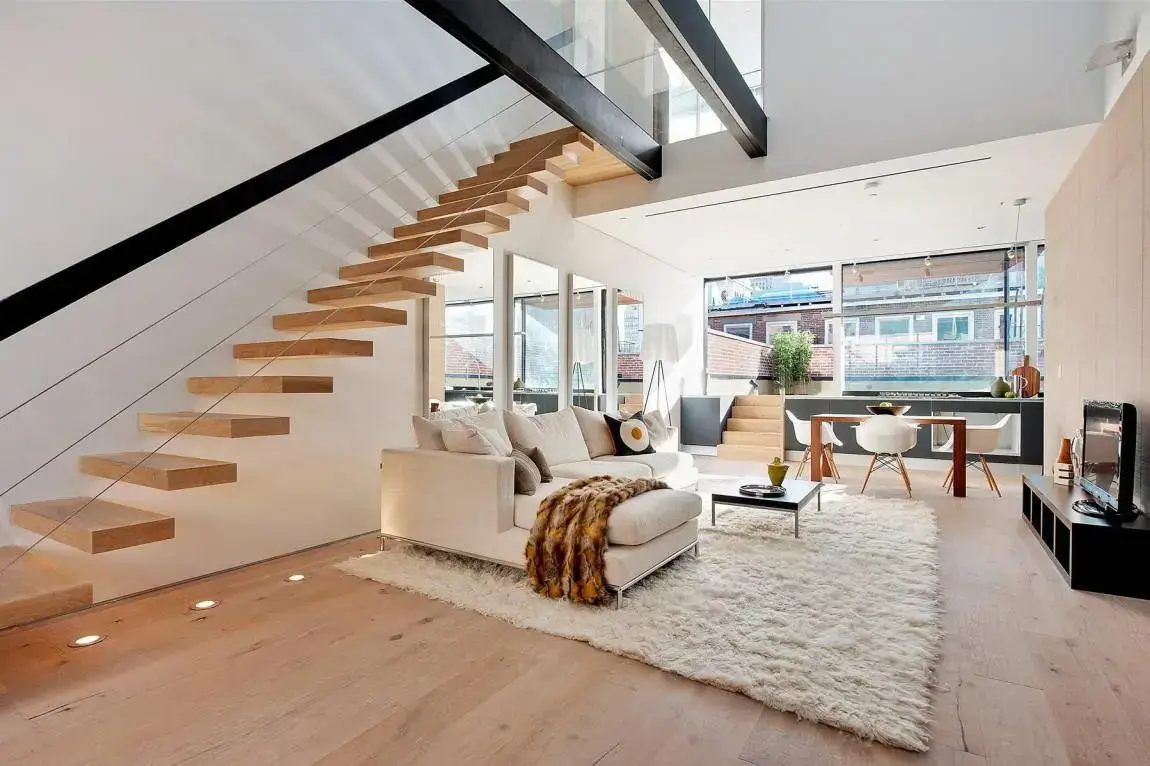
Home design is more than arranging furniture or choosing paint colors—it’s the thoughtful process of shaping spaces that reflect your personality, lifestyle, and values. In today’s world, where homes have become a blend of comfort, work, leisure, and creativity, the importance of intentional home design has grown tremendously. Whether you’re building from scratch, renovating, or refreshing your interior, understanding the core principles and trends of home design can help you create spaces that feel both purposeful and inspiring.
This comprehensive guide explores the essential elements of modern home design—from layout planning and color psychology to lighting, materials, furniture, décor, sustainability, smart home integration, and more. By the end of this article, you’ll have the knowledge and ideas you need to shape a home that not only looks stunning but also supports your daily life seamlessly.
1. Understanding Home Design: What It Really Means
Home design is the art and science of shaping living environments to make them functional, aesthetically pleasing, and harmonious. It combines architecture, interior design, space planning, décor, and even psychology to create spaces that enhance comfort and well-being.
A well-designed home:
- Improves daily productivity
- Reflects personal style
- Enhances mood and mental health
- Optimizes available space
- Promotes comfort and organization
- Increases property value
Designing a home is not about copying trends—it’s about creating the right environment for the people who live in it.
2. Planning the Perfect Layout
A successful home design starts with an efficient layout. Before choosing colors or furniture, understanding how people move through the space is essential.
2.1 Open-Concept vs. Closed-Concept Layouts
Open-concept layouts have become popular for their spacious and airy appeal. They remove unnecessary walls to connect the kitchen, living room, and dining areas into one large zone. This layout is ideal for:
- Small spaces
- Entertaining guests
- Families who prefer shared spaces
Closed-concept layouts, on the other hand, prioritize privacy and noise control. Rooms are clearly divided, making them suitable for:
- Large families
- People working from home
- Homes with separate functional zones
2.2 The Flow of Movement
A good layout should ensure easy movement between rooms. The flow must feel natural—walking from the kitchen to the dining area shouldn’t feel like a maze.
2.3 Balancing Function and Aesthetics
While beauty is important, function should always come first. Ask yourself:
- How do I use each room?
- What activities happen here daily?
- What types of storage do I need?
Functionality builds the foundation; aesthetics enhance it.
3. Choosing the Right Color Palette
Color is one of the most powerful tools in home design. It influences mood, space perception, and overall atmosphere.
3.1 Warm vs. Cool Colors
Warm colors (red, orange, yellow) create a cozy and energetic feeling.
Cool colors (blue, green, violet) promote calmness and relaxation.
3.2 Neutral Base for Modern Homes
Most modern designs rely on neutral bases like:
- White
- Beige
- Gray
- Cream
- Soft taupe
Neutrals create a clean canvas for layering textures and décor.
3.3 Accent Colors for Personality
To avoid monotony, designers use accent shades such as navy blue, forest green, gold, terracotta, or charcoal. These add depth without overwhelming the space.
3.4 Using Color Psychology in Each Room
- Living Room: Warm, welcoming colors
- Bedroom: Cool, soothing tones
- Kitchen: Light neutrals with playful accents
- Home Office: Focus-enhancing colors like green or beige
4. Lighting: The Heart of Atmospheric Home Design
Lighting shapes how a room feels, functions, and looks. Proper lighting can make small spaces look bigger and dull rooms appear lively.
4.1 Types of Lighting
- Ambient Lighting:
General lighting that covers the entire room—ceiling lights, chandeliers. - Task Lighting:
Focused light for activities—table lamps, under-cabinet lights, reading lamps. - Accent Lighting:
Highlighting features—spotlights, LED strip lighting, wall sconces.
4.2 Natural Light Matters
Sunlight boosts mood, reduces electricity consumption, and highlights the natural beauty of materials. Using larger windows, glass doors, or skylights can transform your home instantly.
4.3 Choosing Warm or Cool Bulbs
Warm white bulbs create a cozy feeling, while cool white bulbs feel sharp and modern. Layering both creates balance.
5. Furniture Selection: Comfort Meets Style
Furniture is the backbone of home design. Choosing the right pieces improves comfort, functionality, and visual balance.
5.1 Measure Before You Buy
Proportion matters. Oversized furniture in a small room creates clutter, while tiny furniture in a large room feels awkward.
5.2 Prioritize Quality Over Quantity
Instead of overcrowding rooms, invest in:
- A comfortable sofa
- A sturdy dining table
- High-quality mattresses
- Ergonomic chairs
- Durable cabinetry
5.3 Multi-Functional Furniture for Modern Living
For smaller homes, choose pieces like:
- Sofa beds
- Extendable tables
- Storage ottomans
- Wall-mounted desks
These maximize space without sacrificing style.
5.4 Material and Fabric Choices
Materials shape the overall vibe:
- Wood adds warmth and natural charm.
- Metal creates a sleek, industrial feel.
- Glass gives a modern, airy appearance.
- Natural fabrics like cotton or linen add texture and softness.
6. The Power of Texture and Layers
Texture adds character and richness to a room. A beautifully designed home incorporates a combination of smooth, rough, soft, shiny, and matte finishes to create depth.
6.1 Layering Elements
You can layer:
- Rugs
- Cushions
- Throws
- Curtains
- Wall art
- Plants
- Furniture finishes
Layering prevents a room from feeling flat or empty.
6.2 Combining Different Materials
Mix materials like:
- Metal + wood
- Leather + fabric
- Glass + stone
This creates contrast and visual interest.
7. Decorating with Purpose
Décor should enhance your home—not clutter it. Every decorative element should serve a purpose or evoke a feeling.
7.1 Wall Art and Frames
Art brings personality into your home. Choose:
- Abstract artwork
- Family portraits
- Nature-inspired prints
- Handmade crafts
7.2 Indoor Plants
Plants purify the air and add natural beauty. Popular choices include:
- Snake plant
- Peace lily
- Pothos
- Monstera
- Fiddle leaf fig
7.3 Mirrors for Visual Expansion
Mirrors reflect light and make small rooms appear larger. They are excellent décor pieces for entryways and living rooms.
7.4 Minimalism vs. Maximalism
Choose what suits you:
- Minimalism: Clean lines, fewer items
- Maximalism: Bold colors, patterns, expressive décor
Balance is key.
8. Kitchen and Bathroom Design Essentials
These two areas significantly impact home value and daily functionality.
8.1 Kitchen Design Tips
A great kitchen focuses on:
- Efficient layout (work triangle)
- Durable countertops (quartz, granite)
- High-quality appliances
- Good storage (pull-out racks, pantry)
- Quality lighting
8.2 Bathroom Design Tips
Modern bathrooms emphasize comfort and luxury through:
- Walk-in showers
- Floating vanities
- Large mirrors
- Soft lighting
- Anti-slip tiles
Both spaces benefit from neutral color palettes and high-quality materials.
9. Bedroom Design: Your Personal Sanctuary
Your bedroom should promote rest, comfort, and peace.
9.1 Focus on the Bed
A supportive mattress, soft bedding, and a strong headboard make a world of difference.
9.2 Soothing Lighting
Use warm lights, bedside lamps, and layered lighting instead of bright overhead bulbs.
9.3 Declutter for Calmness
Keep the bedroom free of unnecessary items to create a relaxing atmosphere.
10. Living Room Design: The Heart of the Home
The living room is where families gather, guests are entertained, and daily relaxation happens.
10.1 Comfortable Seating
Choose sofas and chairs that are cozy but stylish.
10.2 Feature Walls
Add character using:
- Textured paint
- Wallpaper
- Wood panels
- Built-in shelving
10.3 Entertainment and Storage
A balanced entertainment setup prevents the TV from becoming the only focal point.
11. Outdoor Spaces: Extending Your Living Area
Outdoor spaces can dramatically enhance your home.
11.1 Patios and Gardens
Use:
- Outdoor seating
- Fire pits
- Greenery
- Mood lighting
11.2 Balconies for Small Homes
Even small balconies can feel luxurious with:
- Compact furniture
- Vertical gardens
- Cozy lighting
12. Smart Home Design Trends
Technology is now an essential part of modern home design.
12.1 Smart Features Include:
- Voice-controlled lights
- Smart thermostats
- Automated curtains
- Smart security systems
- Energy-efficient appliances
These increase convenience and reduce utility costs.
13. Sustainable and Eco-Friendly Home Design
Modern homeowners are focusing more on sustainability.
13.1 Eco-Friendly Materials
Options include:
- Bamboo flooring
- Recycled wood
- Low-VOC paints
- Solar panels
13.2 Energy-Efficient Solutions
Use:
- LED lighting
- Natural ventilation
- Insulated windows
Sustainable homes are healthier and more cost-efficient.
14. Common Home Design Mistakes and How to Avoid Them
14.1 Overcrowding Rooms
Too much furniture reduces comfort and functionality.
14.2 Poor Lighting Choices
One small ceiling light is not enough—use layered lighting.
14.3 Ignoring Scale
Furniture should match the size of the room.
14.4 Following Trends Blindly
Trends fade, but your lifestyle stays.
15. Final Thoughts: Designing a Home That Feels Truly Yours
Home design is a journey, not a one-time project. It evolves as your lifestyle, tastes, and needs change. Whether you’re decorating a small apartment or designing a large home, the key is to prioritize comfort, functionality, and personal expression.
A well-designed home should:
- Make daily living easier
- Inspire creativity
- Support relaxation
- Reflect your identity
With thoughtful planning and creative ideas, you can transform any space into a home that feels warm, beautiful, and uniquely yours.
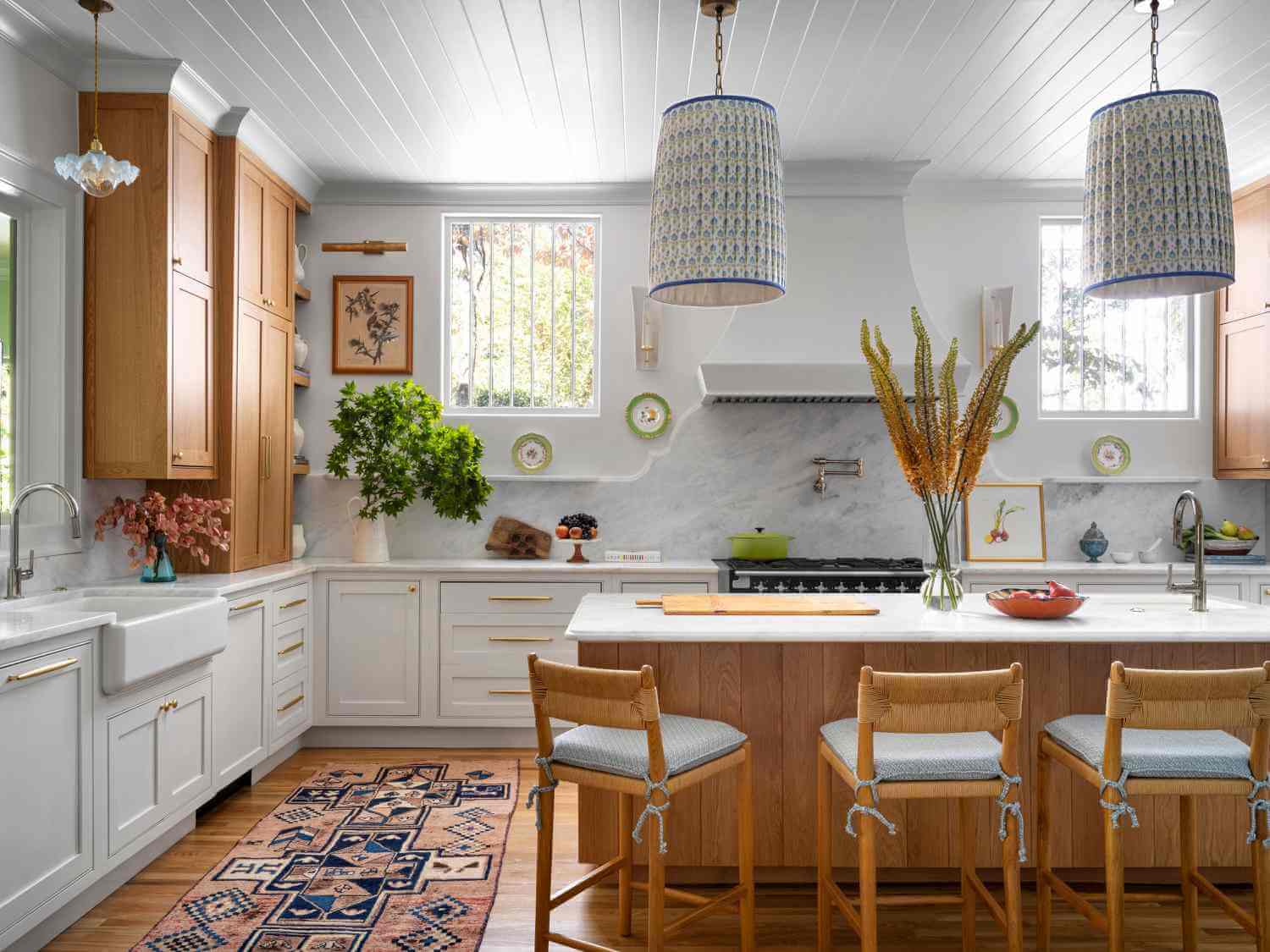
A luxury kitchen design is more than high-end materials and expensive finishes—it’s the art of blending style, comfort, and efficiency to create a space that feels indulgent yet effortlessly functional. In today’s homes, the kitchen acts as a central hub where families gather, meals are created, and memories are shared. A well-executed luxury design elevates this experience, transforming the kitchen into a sophisticated environment where aesthetics meet purpose.
What Defines a Luxury Kitchen Design?
Luxury kitchen design goes beyond visual appeal. It focuses on craftsmanship, premium materials, refined detailing, and innovative technology. True luxury is found in the small touches: skillfully crafted cabinetry, high-performance appliances, seamless organization systems, and the perfect balance of lighting and layout. Each element works together to create a space that feels custom, timeless, and exceptionally comfortable.
Essential Elements of a Luxury Kitchen
1. High-Quality Materials
The foundation of a luxury kitchen starts with premium materials that combine longevity and beauty. These may include:
- Natural stone countertops like marble, quartzite, or granite
- Custom hardwood cabinetry
- High-quality tile or hardwood flooring
- Designer hardware and fixtures
The use of superior materials not only enhances the kitchen’s aesthetic value but also ensures durability over time.
2. Custom Cabinetry
Custom cabinetry allows homeowners to personalize the storage, layout, color palette, and design details. Luxury kitchens often feature:
- Soft-close drawers
- Floor-to-ceiling cabinets
- Glass-front displays
- Integrated organizational systems
These features maximize both elegance and practicality, creating a space that works beautifully for everyday use.
3. Professional-Grade Appliances
High-end appliances elevate functionality and add a polished look to the kitchen. Designers often integrate:
- Smart refrigerators
- Induction cooktops
- Built-in espresso machines
- Double ovens
- Wine coolers
These appliances ensure that the kitchen performs as well as it looks.
Layout and Space Planning
1. Open-Concept Flow
Luxury kitchen design often embraces an open-concept plan that connects the kitchen to dining and living areas. This enhances social interaction and creates a sense of spaciousness.
2. Functional Work Zones
A well-designed kitchen incorporates strategic work zones such as:
- Prep areas
- Cooking stations
- Cleaning zones
- Pantry sections
This planning boosts efficiency and makes daily tasks more enjoyable.
3. Spacious Islands
Kitchen islands are a signature element of luxury design. They provide additional workspace, seating, and storage. Waterfall countertops, pendant lighting, and built-in shelving elevate the island into a statement piece.
Lighting That Enhances Luxury
Lighting plays a crucial role in setting the tone of a high-end kitchen. A layered lighting approach typically includes:
- Ambient lighting for overall brightness
- Task lighting under cabinets
- Accent lighting to highlight design features
- Decorative fixtures to add personality
The combination creates depth, dimension, and a warm, welcoming atmosphere.
Color Schemes and Finishes
The palette of a luxury kitchen is intentionally chosen to reflect elegance and refinement. Popular choices include:
- Soft neutrals like white, beige, and gray
- Rich tones such as navy blue or forest green
- Metallic finishes in gold, brass, or matte black
- High-gloss or matte textures depending on the desired style
Contrasts between light and dark materials often produce striking visual results.
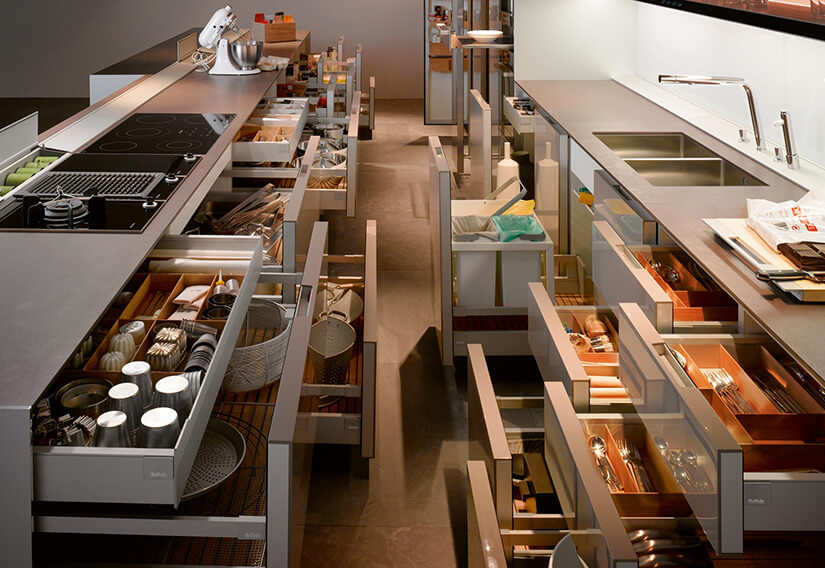
Luxury Kitchen Storage Solutions
1. Walk-In Pantries
A walk-in pantry adds both convenience and sophistication. It offers dedicated storage for bulk items, small appliances, and specialty cooking ingredients.
2. Hidden Storage
Modern luxury kitchens hide clutter through features like:
- Appliance garages
- Pull-out spice racks
- Integrated trash systems
- Deep drawer dividers
This creates a clean, streamlined look.
Smart Technology Integration
Technology is a defining feature of contemporary luxury kitchen design. Smart innovations include:
- Voice-activated faucets
- Touch-screen appliances
- App-controlled lighting and temperature
- Smart cooking systems
These tools improve efficiency and modernize the kitchen experience.
Luxury Kitchen Design Styles
1. Modern Luxury
Clean lines, minimalism, and seamless integration define this style. It features smooth surfaces, hidden appliances, and a neutral palette.
2. Transitional Luxury
A blend of classic and contemporary elements, this style uses warm colors, timeless materials, and elegant hardware.
3. Traditional Luxury
Rich wood tones, detailed cabinetry, and ornate fixtures create a luxurious and inviting space rooted in classic design.
How to Make Your Kitchen Truly Luxurious
A luxury kitchen isn’t just about cost—it’s about creating a space that reflects your lifestyle. To achieve this:
- Invest in quality materials
- Prioritize functionality in the layout
- Choose appliances that match your cooking habits
- Add personalized touches
- Work with experienced designers
A thoughtful approach ensures that the kitchen remains elegant and relevant for years.
Conclusion
Luxury kitchen design transforms the everyday cooking environment into an experience that blends beauty, comfort, and performance. By focusing on quality materials, smart planning, and thoughtful details, you can create a kitchen that not only looks luxurious but also enhances your daily life. Whether you prefer modern elegance, timeless charm, or a blend of both, a well-designed luxury kitchen becomes the heart of your home—inviting, inspiring, and built to last.


All SMO Tools: The Ultimate Guide to Boosting Your Social Media Growth

Joaquim Valente Age: Inside the Life, Career, and Rise of the Renowned Jiu-Jitsu Instructor

Ali MacGraw: A Powerful Hollywood Icon of Grace, Fame, and Inner Strength

Glen Powell Movies: A Complete Guide to His Best Roles and Career Journey

Small Business: A Comprehensive Guide to Building Success in 2025

Women Fashion Trends: Top Styles Dominating 2025 You Must Know
-
 Entertainment7 months ago
Glen Powell Movies: A Complete Guide to His Best Roles and Career Journey
-
 Business7 months ago
Small Business: A Comprehensive Guide to Building Success in 2025
-
 Fashion7 months ago
Women Fashion Trends: Top Styles Dominating 2025 You Must Know
-

 Business3 months ago
Business Relocation Services: The Smart Way to Move Your Company Without Disruption
-

 Business3 months ago
How a Smart Business Model Drives Innovation, Efficiency, and Long-Term Success
-

 Biography4 months ago
Ingrid Oliver – A Remarkable Journey of Talent, Comedy, and Creative Brilliance
-
 Home4 months ago
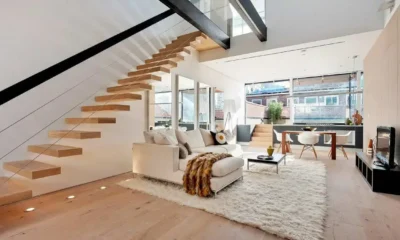
Home Design: A Complete Guide to Creating Functional, Beautiful, and Modern Living Spaces
-
 Home4 months ago
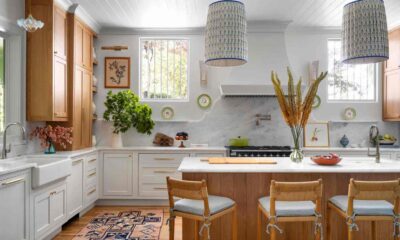
Luxury Kitchen Design: Elevating Everyday Living with Style and Functionality