Construction
Mining Equipment: Powering the Backbone of the Modern Mining Industry

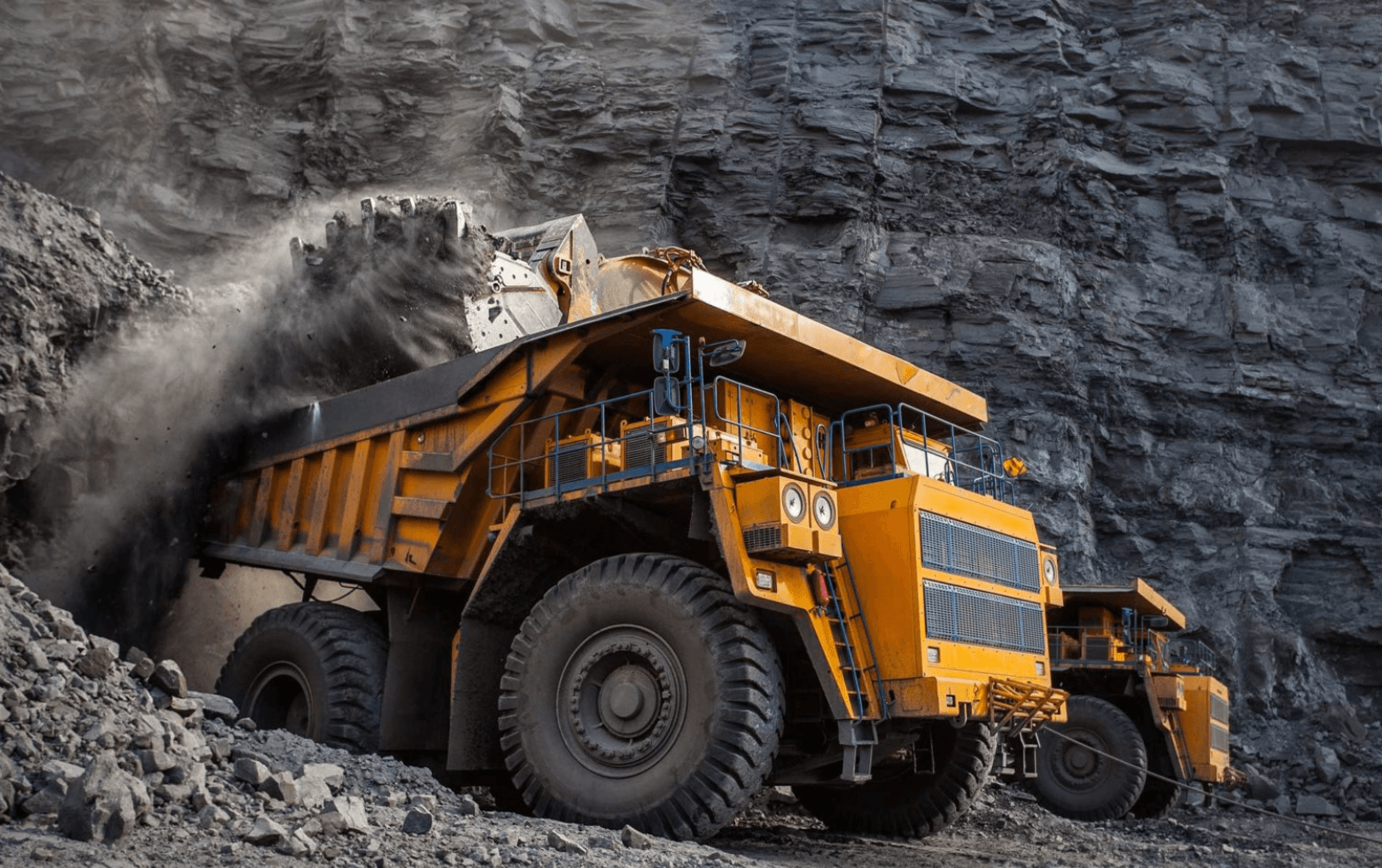
Mining equipment sits quietly behind almost everything we use in our daily lives. From the smartphone in your hand to the car in your driveway, mining equipment plays a massive role in making modern life possible. At its core, mining equipment refers to the heavy machinery, tools, and systems used to extract valuable minerals, metals, and other geological materials from the earth. Without it, large-scale mining as we know it simply wouldn’t exist.
What makes mining equipment so important isn’t just its size or strength, but its ability to improve efficiency, safety, and consistency in one of the world’s most demanding industries. Mining environments are harsh, unpredictable, and often dangerous. The right equipment allows mining companies to operate in extreme temperatures, deep underground, or across vast open-pit sites while maintaining productivity. Over time, mining equipment has evolved from simple hand tools to sophisticated machines guided by advanced software, sensors, and automation.
Today, mining equipment is more than just metal and hydraulics. It represents a fusion of engineering, technology, and innovation designed to maximize output while minimizing environmental impact and risk to human life. As global demand for minerals continues to rise, mining equipment remains the backbone that supports industrial growth, infrastructure development, and technological progress worldwide.
Evolution of Mining Equipment
Early Mining Tools and Techniques
Mining began with nothing more than human strength and basic tools. Early miners relied on picks, hammers, chisels, and shovels to break rocks and extract minerals. These tools were simple, manually operated, and limited in capacity. Mining was slow, physically exhausting, and extremely dangerous. Productivity depended entirely on human endurance, and accidents were common due to collapses, poor ventilation, and lack of safety measures.
Despite these limitations, early tools laid the foundation for mining as an organized activity. Simple wooden supports, carts, and rope systems were introduced to move materials and improve stability. While these innovations may seem basic today, they represented a major step forward at the time. Mining communities formed around these practices, and the demand for better tools gradually pushed innovation forward.
Transition to Mechanized Mining
The Industrial Revolution marked a turning point in mining equipment development. Steam engines, followed by diesel-powered machines, transformed mining operations. Mechanized drills replaced hand tools, significantly increasing extraction speed and depth. Rail systems and conveyor belts improved material transportation, reducing manual labor and costs.
This era introduced some of the most recognizable mining machines, including early excavators, loaders, and crushers. Productivity soared, but so did the scale of mining operations. Mines grew larger, deeper, and more complex. With mechanization came new challenges, such as machine maintenance and worker training, but the benefits far outweighed the drawbacks.
Digital and Automated Advancements
In recent decades, mining equipment has entered the digital age. Automation, artificial intelligence, and real-time data monitoring have revolutionized how mines operate. Modern equipment can now perform tasks with minimal human intervention, improving accuracy and safety. GPS-guided trucks, autonomous drills, and remote-controlled loaders are becoming standard in advanced mining operations.
These innovations allow mining companies to operate 24/7 with consistent performance. Sensors embedded in equipment monitor wear, temperature, and vibration, enabling predictive maintenance. This evolution has transformed mining from a labor-intensive industry into a technology-driven operation focused on efficiency and sustainability.
Types of Mining Equipment
Surface Mining Equipment
Surface mining equipment is designed for operations where minerals are close to the earth’s surface. These machines are built for power, durability, and high-volume material movement.
Excavators
Excavators are among the most versatile pieces of mining equipment. Equipped with large buckets and powerful hydraulic systems, they dig, lift, and load massive amounts of material. In surface mining, excavators are used to remove overburden and extract ore efficiently. Their ability to rotate 360 degrees makes them ideal for confined spaces and complex digging tasks.
Bulldozers
Bulldozers play a critical role in site preparation and material handling. With their wide blades and strong tracks, they push soil, rocks, and debris with ease. In mining operations, bulldozers help clear land, build access roads, and maintain haul routes. Their rugged design allows them to operate in extreme conditions without compromising performance.
Dump Trucks
Mining dump trucks are engineering marvels. Capable of carrying hundreds of tons of material in a single load, they transport ore and waste across large mining sites. These trucks are designed for stability, power, and efficiency, often featuring advanced braking systems and automated driving assistance.
Underground Mining Equipment
Underground mining requires specialized equipment designed to operate in confined spaces with limited visibility and ventilation.
Continuous Miners
Continuous miners are machines that cut and gather material simultaneously. They use rotating steel drums equipped with cutting teeth to extract coal or soft minerals. This equipment significantly improves productivity compared to traditional drilling and blasting methods.
Longwall Mining Machines
Longwall mining machines are used primarily in coal mining. They operate along a long face of coal, cutting and collecting material in a continuous process. This method allows for high recovery rates and efficient use of resources.
Roof Bolters
Safety is paramount in underground mining, and roof bolters play a vital role. These machines install bolts into the mine roof to prevent collapses. By reinforcing rock layers, roof bolters protect workers and equipment alike.
Crushing, Grinding, and Processing Equipment
Mining doesn’t stop at extraction. Once materials are removed from the ground, they must be processed.
Crushers
Crushers break down large rocks into smaller pieces, making them easier to process. Jaw crushers, cone crushers, and impact crushers each serve different purposes depending on material hardness and size requirements.
Grinding Mills
Grinding mills further reduce material size, preparing it for separation and refinement. Ball mills and rod mills are commonly used in mineral processing plants to achieve precise particle sizes.
Screening Machines
Screening machines sort materials based on size. They ensure consistency and quality in the final product, improving overall efficiency in mining operations.
Importance of Mining Equipment in Operational Efficiency
Mining equipment directly influences productivity and profitability. High-quality machines reduce downtime, improve extraction rates, and lower operational costs. Efficient equipment allows companies to meet production targets while maintaining safety standards.
Modern mining equipment also supports better resource management. Automated systems optimize fuel usage, reduce waste, and minimize environmental impact. In an industry where margins can be tight, efficient equipment often makes the difference between success and failure.
Technological Innovations in Mining Equipment
Technology has reshaped mining equipment in remarkable ways. Automation allows machines to operate autonomously, reducing human exposure to hazardous environments. Artificial intelligence analyzes data to optimize workflows, while IoT-enabled equipment provides real-time insights into performance.
These innovations not only boost productivity but also enhance safety and sustainability. Mining equipment is no longer just about strength; it’s about intelligence and adaptability.
Environmental Impact and Sustainable Mining Equipment
Environmental concerns have pushed manufacturers to develop cleaner, more efficient mining equipment. Electric and hybrid machines reduce emissions, while advanced filtration systems minimize dust and pollution.
Sustainable mining equipment focuses on energy efficiency and responsible resource use. By reducing environmental impact, mining companies can meet regulatory requirements and build public trust.
Future of Mining Equipment
The future of mining equipment points toward fully autonomous operations. Self-driving trucks, AI-controlled drills, and smart monitoring systems will become the norm. Green technologies, including renewable energy-powered equipment, will further reduce environmental impact.
As demand for minerals continues to grow, mining equipment will evolve to meet challenges with innovation, efficiency, and sustainability at its core.
Conclusion
Mining equipment is the unsung hero of modern civilization. From humble hand tools to intelligent machines, its evolution reflects humanity’s drive for progress. Today’s mining equipment combines power, precision, and technology to extract resources efficiently and safely. As the industry moves toward automation and sustainability, mining equipment will continue to shape the future of global development.
Frequently Asked Questions
1. What is mining equipment used for?
Mining equipment is used to extract, transport, and process minerals and materials from the earth.
2. What are the main types of mining equipment?
The main types include surface mining equipment, underground mining equipment, and mineral processing machines.
3. How has technology improved mining equipment?
Technology has introduced automation, real-time monitoring, and AI-driven optimization, improving safety and efficiency.
4. Is mining equipment environmentally friendly?
Modern mining equipment focuses on sustainability through reduced emissions, energy efficiency, and cleaner technologies.
5. What is the future of mining equipment?
The future includes autonomous machines, smart mining systems, and environmentally sustainable technologies.



All SMO Tools: The Ultimate Guide to Boosting Your Social Media Growth

Joaquim Valente Age: Inside the Life, Career, and Rise of the Renowned Jiu-Jitsu Instructor

Ali MacGraw: A Powerful Hollywood Icon of Grace, Fame, and Inner Strength

Glen Powell Movies: A Complete Guide to His Best Roles and Career Journey

Small Business: A Comprehensive Guide to Building Success in 2025

Women Fashion Trends: Top Styles Dominating 2025 You Must Know
-
 Entertainment7 months ago
Glen Powell Movies: A Complete Guide to His Best Roles and Career Journey
-
 Business7 months ago
Small Business: A Comprehensive Guide to Building Success in 2025
-
 Fashion7 months ago
Women Fashion Trends: Top Styles Dominating 2025 You Must Know
-

 Business3 months ago
Business Relocation Services: The Smart Way to Move Your Company Without Disruption
-

 Business3 months ago
How a Smart Business Model Drives Innovation, Efficiency, and Long-Term Success
-

 Biography4 months ago
Ingrid Oliver – A Remarkable Journey of Talent, Comedy, and Creative Brilliance
-

 Home4 months ago
Home Design: A Complete Guide to Creating Functional, Beautiful, and Modern Living Spaces
-

 Home4 months ago
Luxury Kitchen Design: Elevating Everyday Living with Style and Functionality